
Capacity strengthening programmes and networks 

Home Icon Home Right Arrow Icon Creating an enabling environment for research Right Arrow Icon Capacity strengthening programmes and networks

Creating an enabling environment for research

Capacity strengthening programmes and networks 

TDR continues to address the significant gap in implementation research capacity, in collaboration with partners in LMICs. Capacity strengthening activities target programme implementers, decision-makers, academics, communities and institutions, thereby democratizing the research process. We also provide strategic and catalytic support to develop research leadership in LMICs through multiple approaches, including fellowship leadership programmes on clinical and implementation research, and by promoting equity and inclusivity in research mentorship programmes.

Objectives

  • To strengthen the capacity of people, communities and institutions to produce research evidence that is useful for reducing the burden of infectious diseases of poverty. 
  • To strengthen the use of implementation and clinical research, applying a One Health approach, to address global health challenges: control and elimination of diseases of poverty; climate change’s impact on health; epidemics and outbreaks; and resistance to treatment and control agents.

Target audience

Institutions and communities; researchers; frontline workers in health, environment and agriculture; policy-makers and social innovators

Key activities

TDR-supported capacity strengthening networks

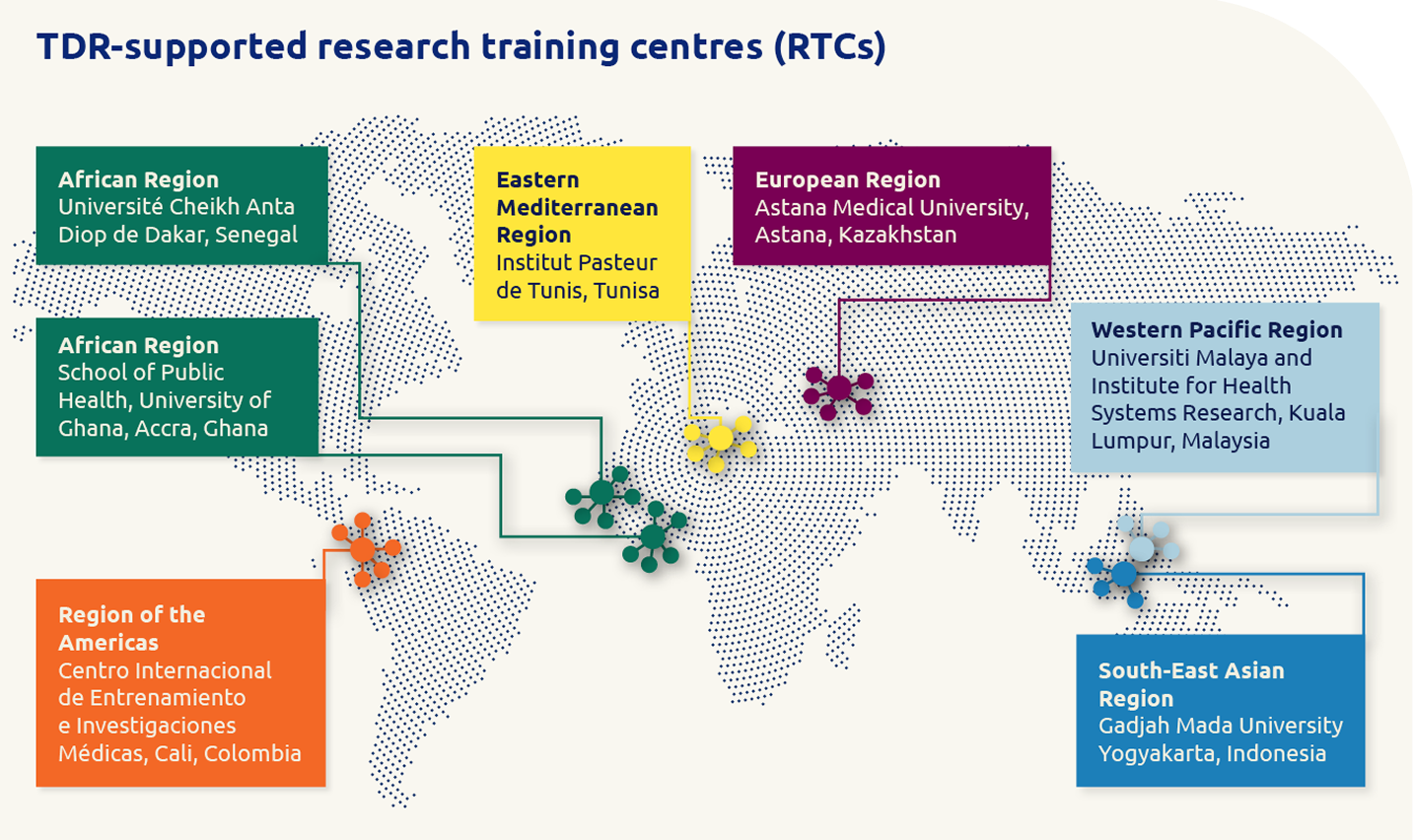
TDR supports a network of research training centres selected competitively to lead activities for strengthening capacity in implementation research, to enable research relevant to the TDR Strategy 2024-2029 within their respective regions.

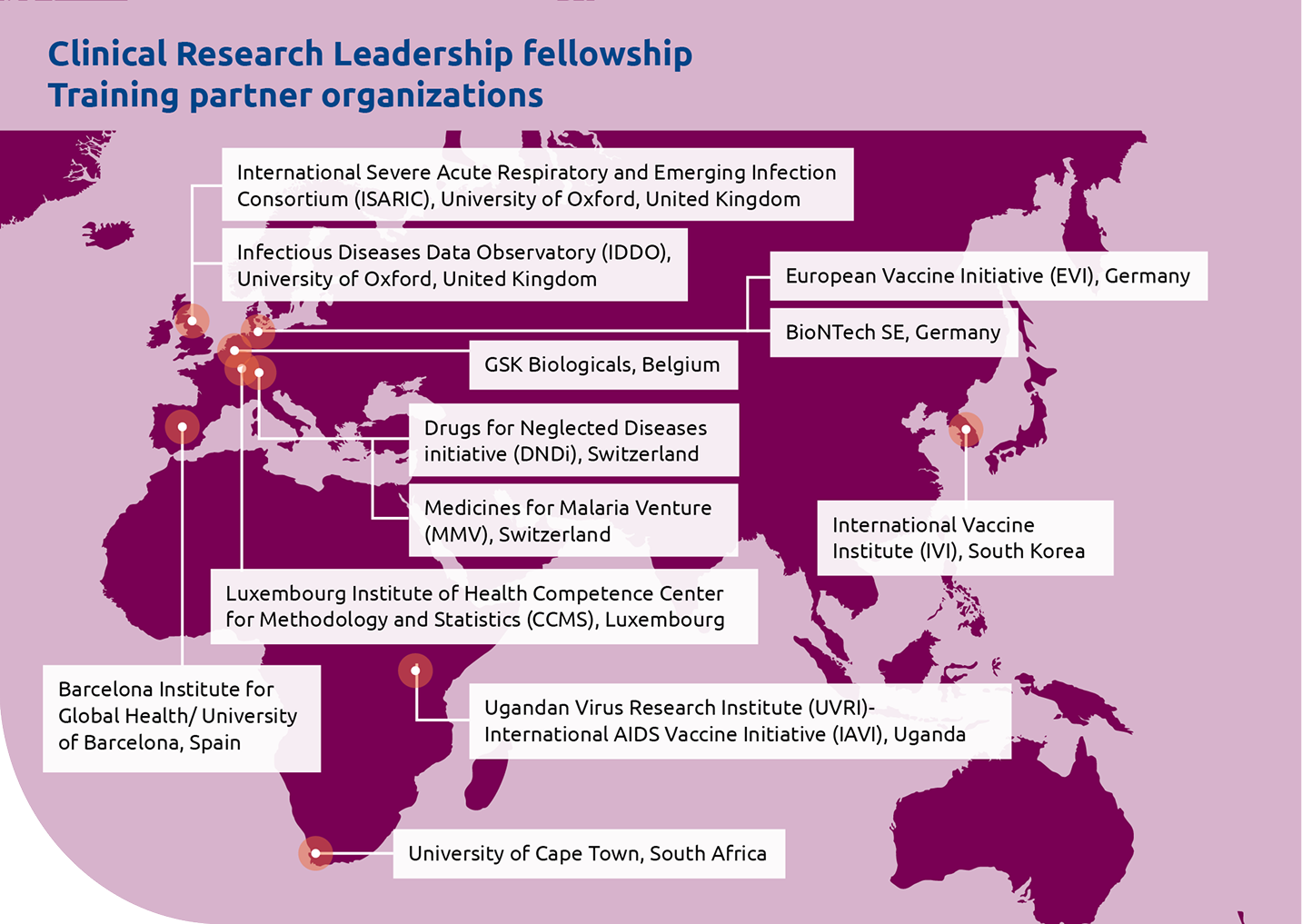
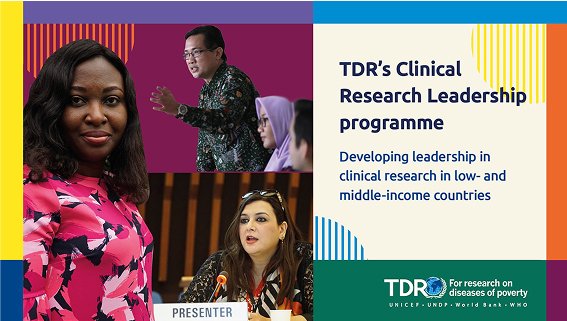
This fellowship programme aims to develop internationally recognized research leaders in clinical research in low- and middle-income countries. The programme focuses on developing research leadership skills, with fellows using their clinical research skills in conjunction with competencies and capabilities to effectively lead, communicate with and support members of a multidisciplinary team. The fellowship includes up to 24 months of training at a leading clinical research organization as well as support for strengthening fellows’ home institutions upon completion of the training.
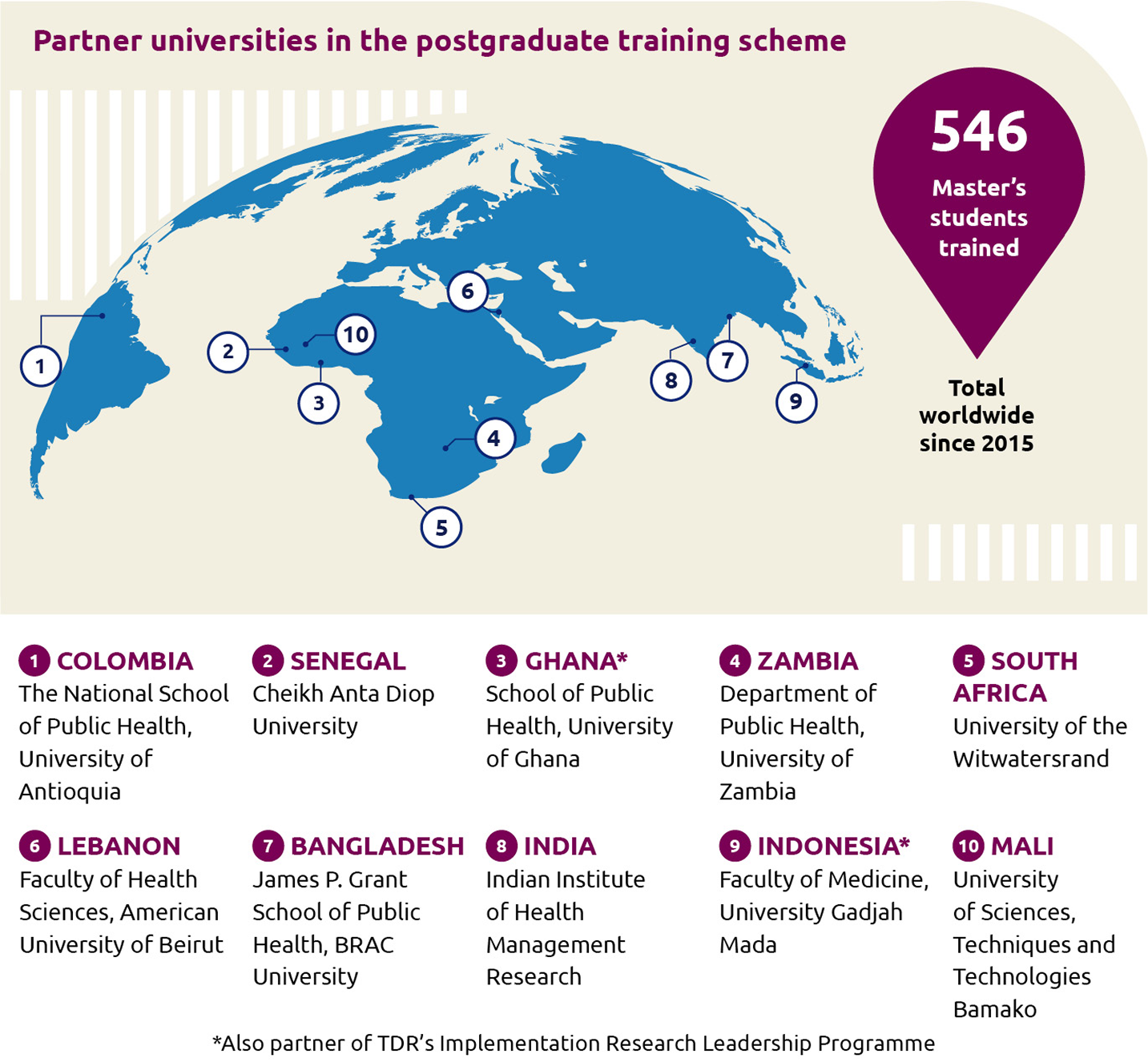
In collaboration with eight leading universities in LMICs, this scholarship programme focuses on providing Master of Public Health education with a focus on implementation research and building capacity to address major global health challenges.
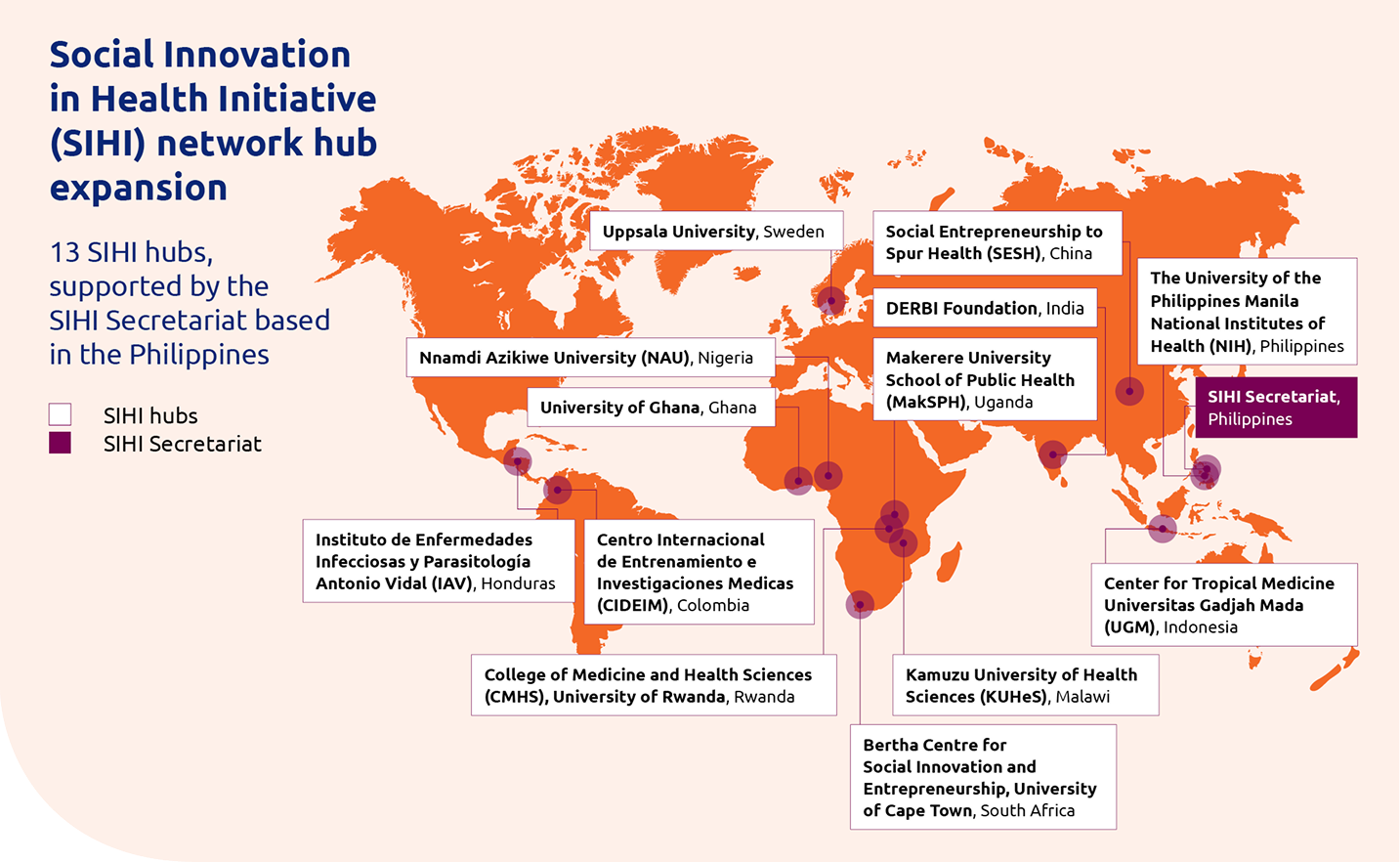
SIHI is a global network of country-led research hubs that strengthens the effectiveness and scale-up of social innovations in health by generating actionable evidence and connecting inno vators with policy-makers, researchers and implementers. The network was established in 2014 through TDR’s leadership.
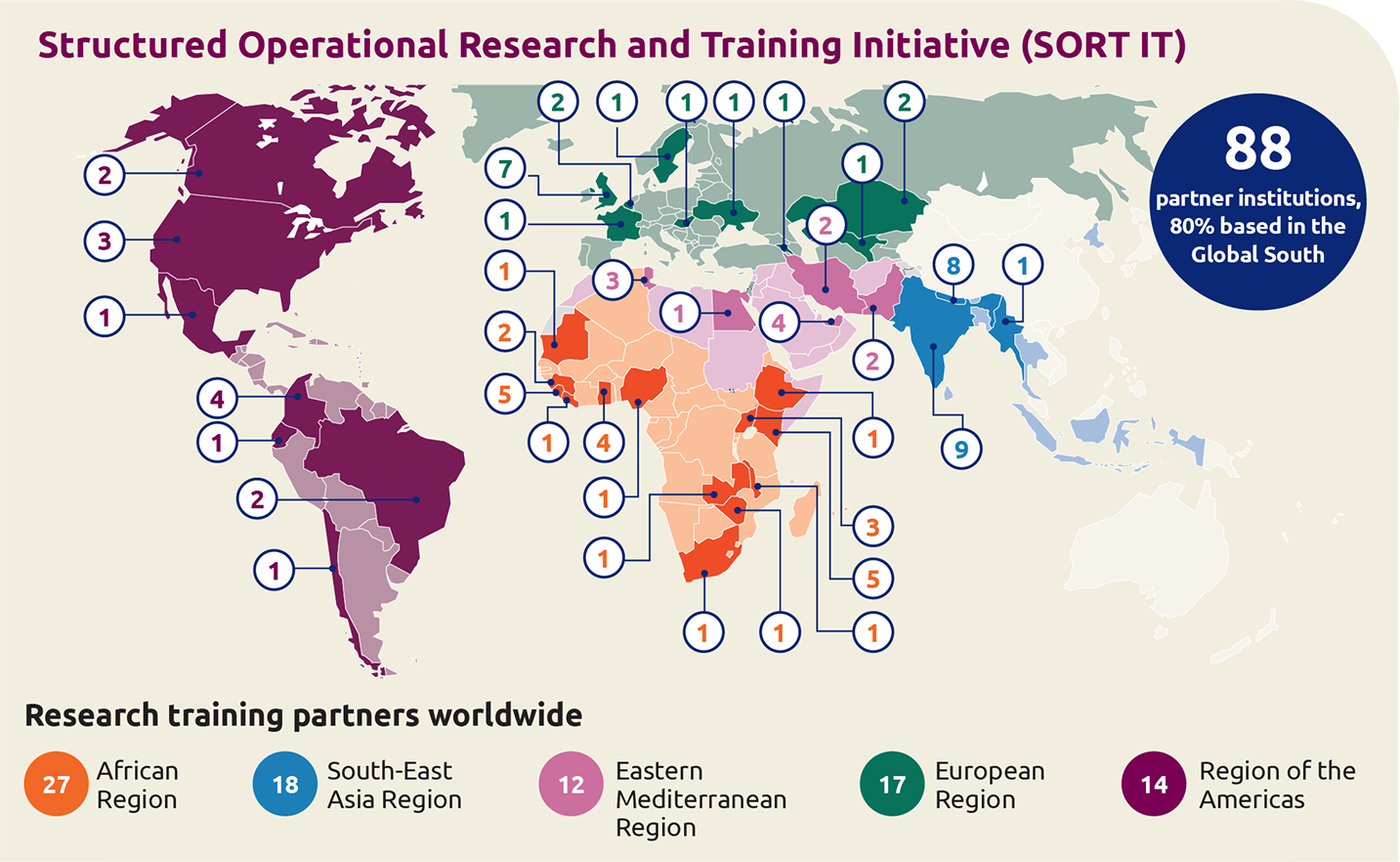
Led by TDR, SORT IT is a global partnership that helps countries and institutions conduct operational research aligned with their priorities. It aims to build sustainable operational research capacity and support evidence-informed decisions for improving programme performance.  

2025 key achievements and updates

Developing health research leadership in LMICs:

  • The first cohort of eight fellows have been selected for the Implementation Research Leadership Programme for Public Health Impact, hosted by Universitas Gadjah Mada in Indonesia and the University of Ghana. (See Spotlight story below.)
  • The second cohort of 16 Clinical Research Leadership programme fellows (8 men and 8 women) have been selected, and the first cohort of 20 fellows began their training with nine training partner organizations. (A total of 128 fellows – 89 men and 39 women – were supported through the earlier Clinical Research and Development Fellowship programme.)
  • The postgraduate training scheme partner universities enrolled 50 new master’s students (22 men and 28 women) from 29 countries, of which six are French-speaking countries in West Africa. Since 2015, 546 students have been trained through the scheme.
Implementation Science Leadership Programme for Public Health Impact

Developing and offering implementation and operational research training courses, toolkit and guides:

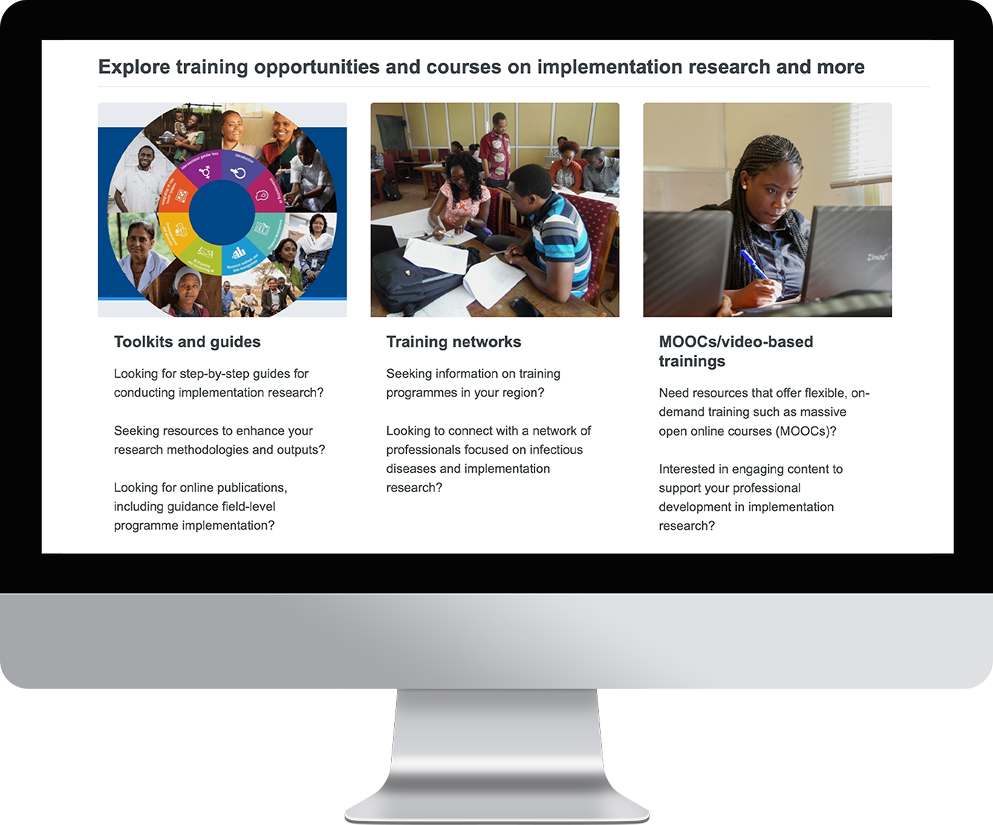
  • More than 12 000 individuals registered for the nine sessions of the flagship Implementation Research massive online open course (MOOC), delivered in Arabic, English, French, Russian and Spanish through the TDR-supported research training centres (RTCs).
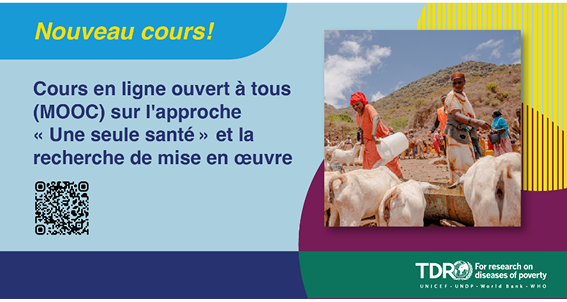
  • TDR and the research training centre in Senegal have co-created a French-language massive open online course (MOOC) on a One Health approach to implementation research (IR), specifically addressing West and Central African implementation research needs. (See Spotlight story below.)
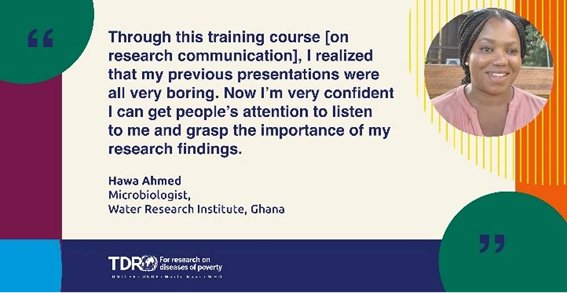
  • A new MOOC on communicating research findings helps researchers bridge the gap between evidence generation and real-world impact by improving the uptake of their findings for policy and practice changes. By the end of 2025 more than 3000 participants had registered for the course from 105 countries.
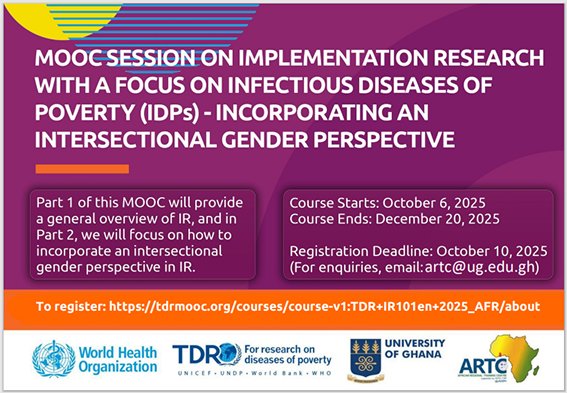
  • The fifth session of the IR MOOC module on incorporating an intersectional gender perspective in implementation research was facilitated by the research training centre in Ghana. Almost 60% of participants completed and passed the course assessment in December 2025.
  • A new IR toolkit module on climate change and health has been developed.
  • The SORT IT curriculum on operational research has been updated and is now available in English, French and Russian. 
A four-year SORT IT 2.0 initiative, funded by Luxembourg, will build research capacity on HIV, TB and malaria in Guinea, Benin and Senegal while strengthening use of Global Fund grants. A new SORT IT initiative with 19 institutions in India is strengthening health systems and leadership for universal health coverage through 12 research projects on major global health challenges.
Nouveau cours!
Image
image
  • The TDR Research Training Centre and SIHI hub at CIDEIM, Colombia, finalized a new MOOC on community-based participatory research.
  • Uppsala University in Sweden launched a new PhD course on social innovation, and Makerere University in Uganda launched a SIHI community of practice to foster peer learning, advocacy and research on social innovations for improved health outcomes.
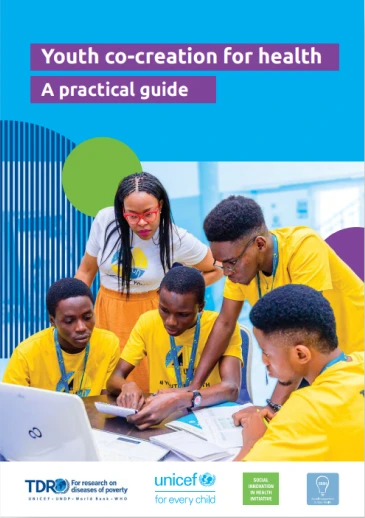
  • A new practical guide on youth co-creation for health, co-developed by young people, TDR, UNICEF, SESH and SIHI, provides a blueprint for engaging youth in research and health programmes, grounded in evidence from systematic reviews, crowdsourcing and global consultations.

Fostering the mentorship of scientists:


image

Spotlight

Fellows selected for TDR’s Implementation Research Leadership Programme 

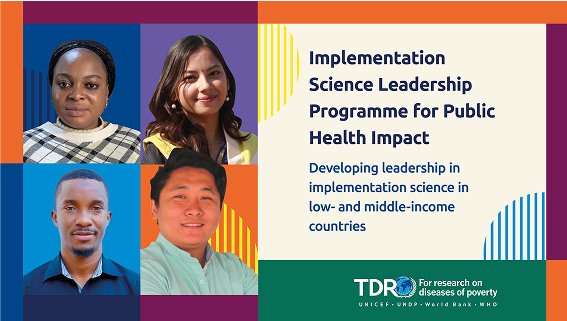
TDR’s new Implementation Research Leadership Programme for Public Health Impact aims to enhance the capacity of public health practitioners and researchers in low- and middle-income countries to address critical health challenges, through implementation science. Following a call for applications, TDR and training partners selected eight fellows who began their fellowships in 2025. 

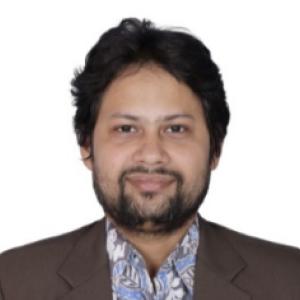
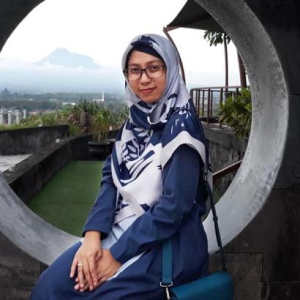
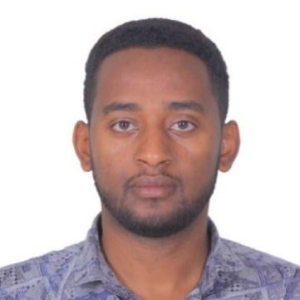
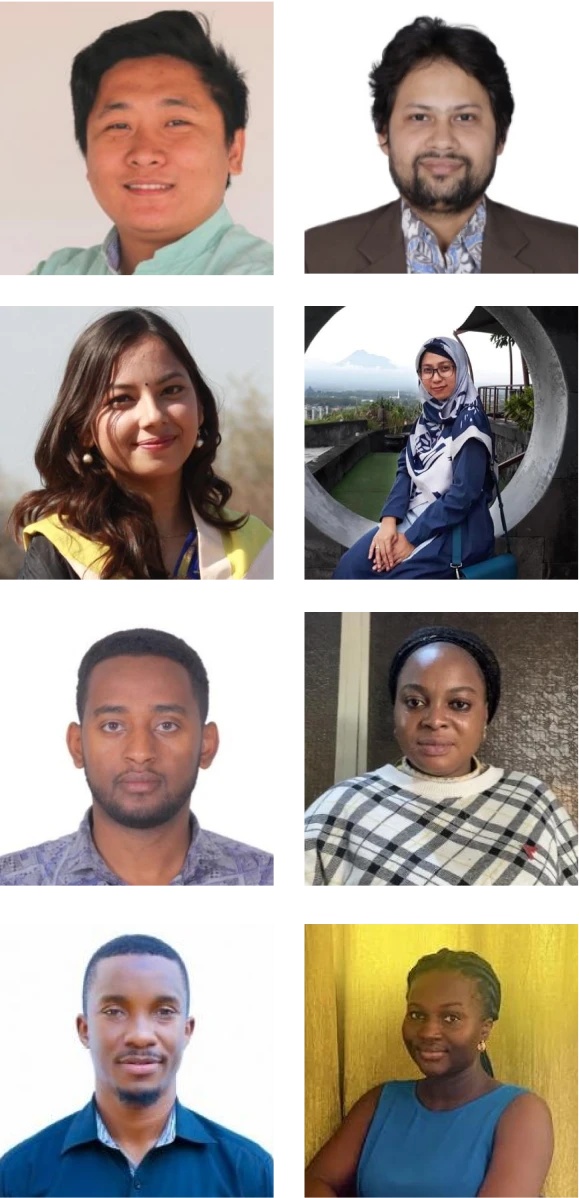
From left to right: Rhondemo A. Kikon, Monjurul Karim, Anita Mahotra, Dina Arisonaningtyas, Habtamu Molla Ayele, Omowumi Fatima Lawal-Lah, John Msugupakula Betwel and Beatrice Obour.

Recently published TDR Global scientist profiles 

For more than 50 years, TDR has been supporting scientists through research grants and training programmes to enable their work to tackle infectious diseases of poverty. These stories celebrate some of the achievements that these scientists from the TDR Global community have made and document their impact. For more profile stories, please visit our website.

Suma Krishnasastry (India) 

Revolutionizing the management of lymphatic filariasis (LF) symptoms, Suma Krishnasastry forever changed public health policy on this neglected tropical disease. Thanks to Suma, health workers in 32 countries in Asia and Africa have been trained on a new approach to LF care, vastly improving the quality of life of thousands affected by symptoms such as elephantiasis. TDR’s support for Suma’s career has included numerous research grants as well as training on clinical trials and research ethics. 
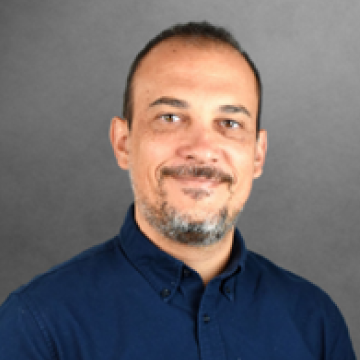
André Siqueira (Brazil) 

André Siqueira is Head of the Global Dengue Programme of the Drugs for Neglected Diseases Initiative (DNDi) for Latin America and a scientist at the Oswaldo Cruz Foundation (Fiocruz) in Brazil who received a training grant from TDR early in his career. His inspiring success stories – such as translating Thailand's experience with antimalarial resistance to northern Brazil – show how TDR’s support for global scientific collaboration and exchange can benefit many regions around the world that are affected by the same infectious diseases. 
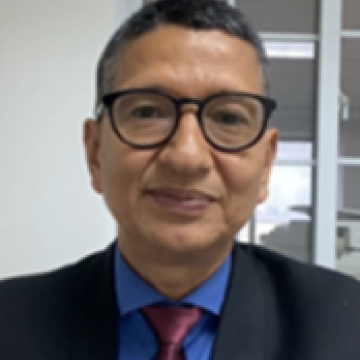
Gustavo Ávila Montes (Honduras) 

Gustavo Ávila Montes is a Honduran physician and researcher whose career of more than 30 years personifies the impact of science on public health. Dr Ávila has dedicated his career to the study and control of vector-borne diseases, particularly dengue and Chagas disease, transforming field research into public policies that have helped improve the quality of life of thousands of people in Honduras and other countries in Central America and the Caribbean. 

video placeholder
David Kiprop Sang (Kenya) 

Guinea-worm disease is on the verge of global eradication with only 13 human cases reported in 2024. David Sang Kiprop is part of this success story, as he served as National Programme Coordinator for Kenya’s Guinea-Worm Elimination Programme. Support from TDR spanned his career from his PhD to research grants allowing him to study how to control and eliminate Guinea-worm and other neglected tropical diseases. 
Spotlight

Fellows selected for TDR’s Implementation Science Leadership Programme 

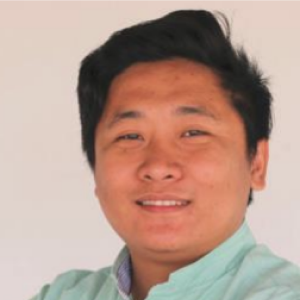
TDR’s new Implementation Science Leadership Programme for Public Health Impact aims to enhance the capacity of public health practitioners and researchers in low- and middle-income countries to address critical health challenges, through implementation science. Following a call for applications, TDR and training partners selected eight fellows who began their fellowships in 2025. 

The eight fellows, comprising five public health practitioners and three researchers, are being hosted for a period of 6 to 12 months at two leading health research institutions: Gadjah Mada University in Indonesia and the University of Ghana. This initiative builds on TDR’s previous efforts, which have provided scholarships for Master of Public Health programmes with a focus 10 on implementation research (IR) since 2015. More than 500 grantees (of which 50% are women) across seven universities in low- and middle-income countries have benefited from these scholarships, creating a critical mass of researchers and implementers equipped with the necessary knowledge and skills in IR. 

The selected fellows bring a wealth of experience and strong commitments to improving health outcomes in their respective regions. 

From left to right: Rhondemo A. Kikon, Monjurul Karim, Anita Mahotra, Dina Arisonaningtyas, Habtamu Molla Ayele, Omowumi Fatima Lawal-Lah, John Msugupakula Betwel and Beatrice Obour.

Fellows hosted at Gadjah Mada University
Researcher Stream 
Rhondemo A. Kikon (India)

Rhondemo A. Kikon (India) is a medical doctor and founder of Community Health Initiative (CHI), an NGO in Nagaland, India, focusing on WASH, nutrition, and health system strengthening. Rhondemo has led multiple research projects and published several of his works in a reputable journal. Through this fellowship he aims to translate implementation research into actionable policies that promote health equity and pro-poor health initiatives in his region. 

Public Health Practitioner Stream 
Monjurul Karim (Bangladesh)

Monjurul Karim (Bangladesh) is a public health professional from Bangladesh, currently serving as a Project Coordinator at the Centre for Disability in Development (CDD), Bangladesh. He has over a decade of experience leading inclusive health, rehabilitation and livelihood programmes for marginalized communities, with a focus on diseases of poverty such as leprosy. Through this fellowship, he aims to drive culturally relevant, sustainable strategies and contribute to national policies promoting health equity. 

Anita Mahotra (Nepal)

Anita Mahotra (Nepal) is the President and founder of TAPAS Nepal, where she leads youth-driven public health programmes focusing on tobacco control, AMR, and infectious diseases. With experience in Nepal’s health system and partnerships across government and NGOs, she translates research into action through mentorship and innovation. Through this fellowship, she aims to strengthen her research capacity to drive equitable, evidence-based health interventions in Nepal.

Dina Arisonaningtyas (Indonesia)

Dina Arisonaningtyas (Indonesia) is a medical doctor from Indonesia working as the Director of Rumah Sehat BAZNAS Clinic in Yogyakarta, Indonesia, focusing on health services for the poor. With over six years of experience in philanthropic health, she actively leads TB screening initiatives and public health programmes in collaboration with local stakeholders. She is committed to strengthening her implementation research skills to expand impact through equitable health services. 

Fellows hosted at the University of Ghana
Public Health Practitioner Stream
Habtamu Molla Ayele (Ethiopia)

Habtamu Molla Ayele (Ethiopia) is a regional immunization technical advisor at Ethiopia’s Ministry of Health. His research interests span across infectious disease epidemiology, tuberculosis, malaria, cervical cancer, and health policy and management. 

Omowumi Fatima Lawal-Lah (Nigeria)

Omowumi Fatima Lawal-Lah (Nigeria) is a programme manager for the State Tuberculosis, Leprosy & Buruli Ulcer Control Programme at Kwara state Ministry of Health, Nigeria. She has research interests in infectious diseases, non-communicable diseases, biostatistics, health policy and systems thinking. 

Public Health Practitioner Stream

John Msugupakula Betwel (Tanzania) is a research scientist at the Ifakara Health Institute in Tanzania. He is keen on research in ecology and behavior of disease vectors, in particular, developing and evaluating complementary vector control interventions to accelerate progress towards malaria elimination.

Beatrice Obour (Ghana) has an interest in engaging in public health high-impact research through data-driven insights and thorough analysis. She currently serves a dual role as both an assistant lecturer and a research assistant at the Health Access Institute in Ghana.