Objectives
Target audience
Institutions and communities; researchers; frontline workers in health, environment and agriculture; policy-makers and social innovators
Key activities
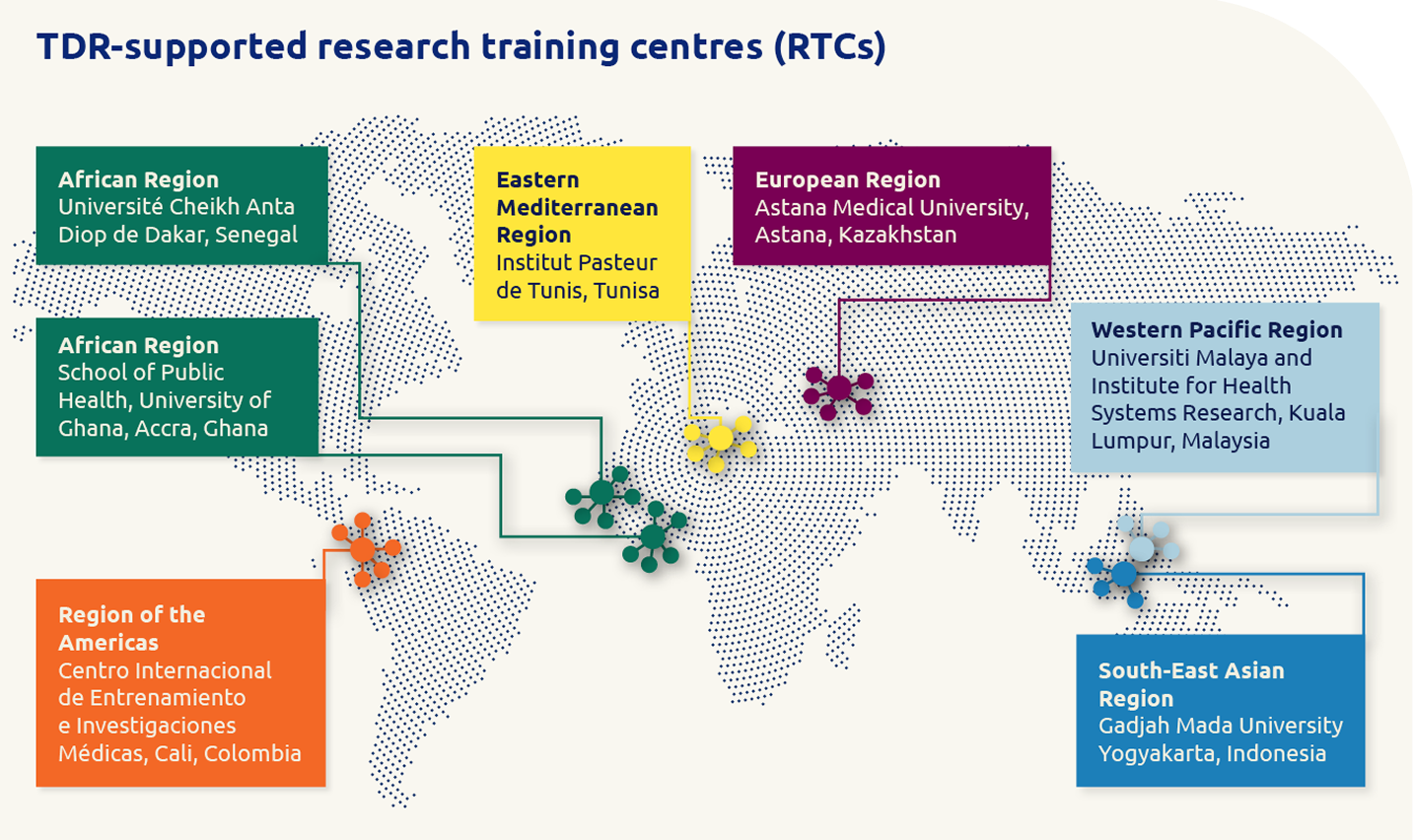
TDR supports a network of research training centres selected competitively to lead activities for strengthening capacity in implementation research, to enable research relevant to the TDR Strategy 2024-2029 within their respective regions.
Developing health research leadership in LMICs:
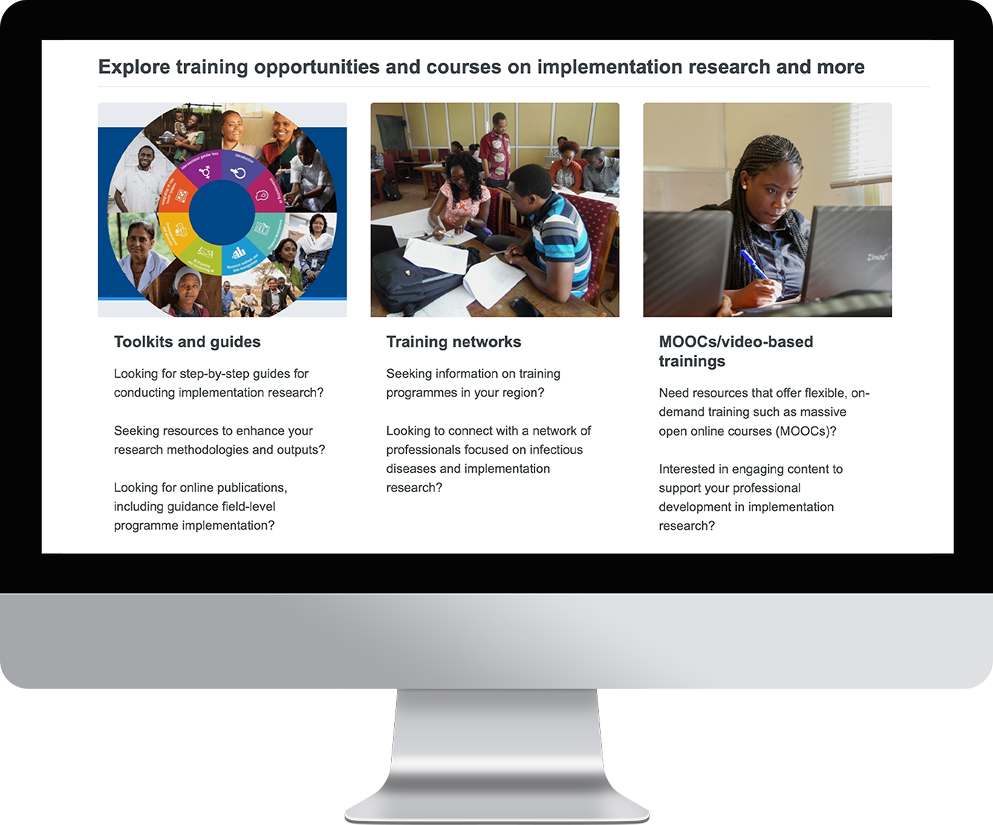
Developing and offering implementation and operational research training courses, toolkit and guides:
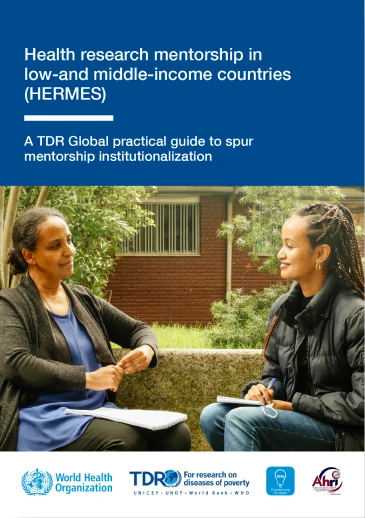
Fostering the mentorship of scientists:
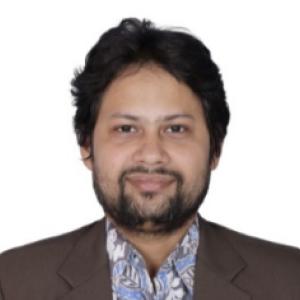
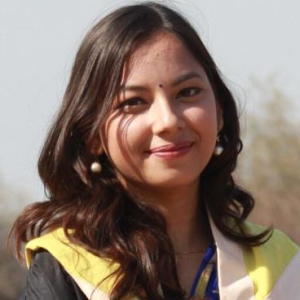
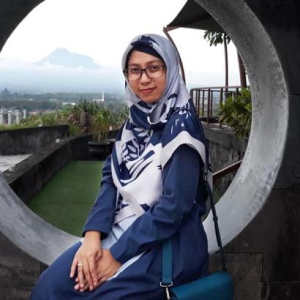
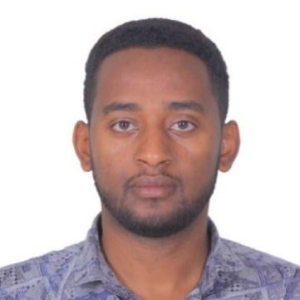
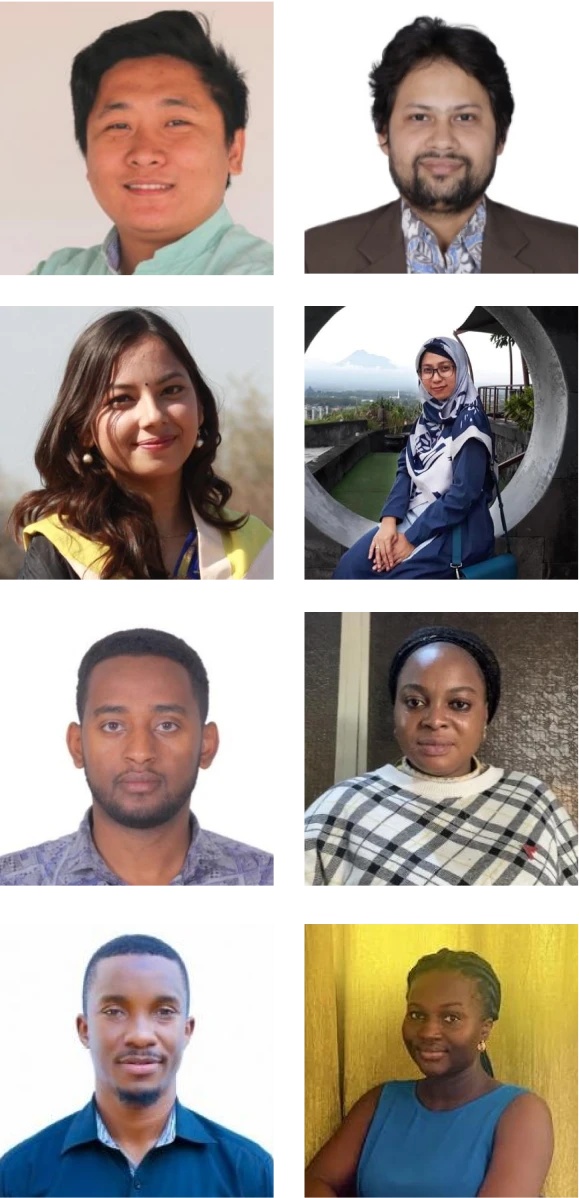
From left to right: Rhondemo A. Kikon, Monjurul Karim, Anita Mahotra, Dina Arisonaningtyas, Habtamu Molla Ayele, Omowumi Fatima Lawal-Lah, John Msugupakula Betwel and Beatrice Obour.
For more than 50 years, TDR has been supporting scientists through research grants and training programmes to enable their work to tackle infectious diseases of poverty. These stories celebrate some of the achievements that these scientists from the TDR Global community have made and document their impact. For more profile stories, please visit our website.

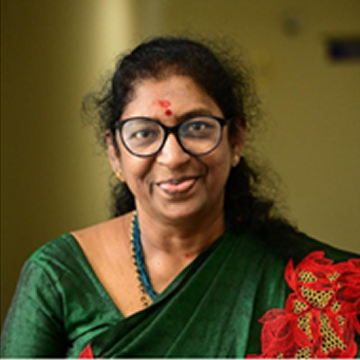
Revolutionizing the management of lymphatic filariasis (LF) symptoms, Suma Krishnasastry forever changed public health policy on this neglected tropical disease. Thanks to Suma, health workers in 32 countries in Asia and Africa have been trained on a new approach to LF care, vastly improving the quality of life of thousands affected by symptoms such as elephantiasis. TDR’s support for Suma’s career has included numerous research grants as well as training on clinical trials and research ethics.
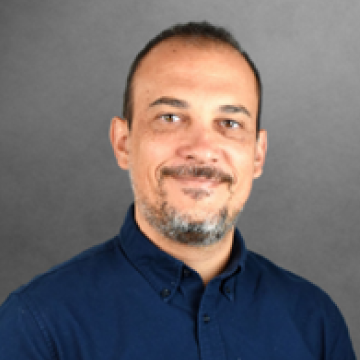
André Siqueira is Head of the Global Dengue Programme of the Drugs for Neglected Diseases Initiative (DNDi) for Latin America and a scientist at the Oswaldo Cruz Foundation (Fiocruz) in Brazil who received a training grant from TDR early in his career. His inspiring success stories – such as translating Thailand's experience with antimalarial resistance to northern Brazil – show how TDR’s support for global scientific collaboration and exchange can benefit many regions around the world that are affected by the same infectious diseases.
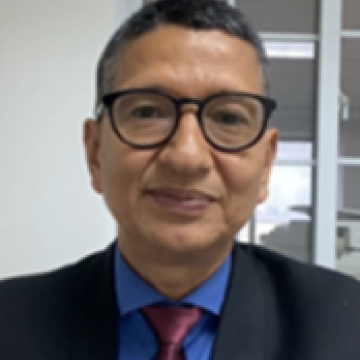
Gustavo Ávila Montes is a Honduran physician and researcher whose career of more than 30 years personifies the impact of science on public health. Dr Ávila has dedicated his career to the study and control of vector-borne diseases, particularly dengue and Chagas disease, transforming field research into public policies that have helped improve the quality of life of thousands of people in Honduras and other countries in Central America and the Caribbean.

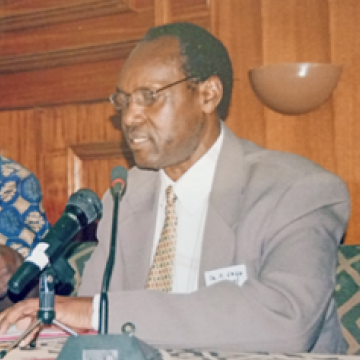
Guinea-worm disease is on the verge of global eradication with only 13 human cases reported in 2024. David Sang Kiprop is part of this success story, as he served as National Programme Coordinator for Kenya’s Guinea-Worm Elimination Programme. Support from TDR spanned his career from his PhD to research grants allowing him to study how to control and eliminate Guinea-worm and other neglected tropical diseases.
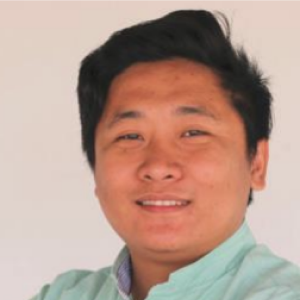
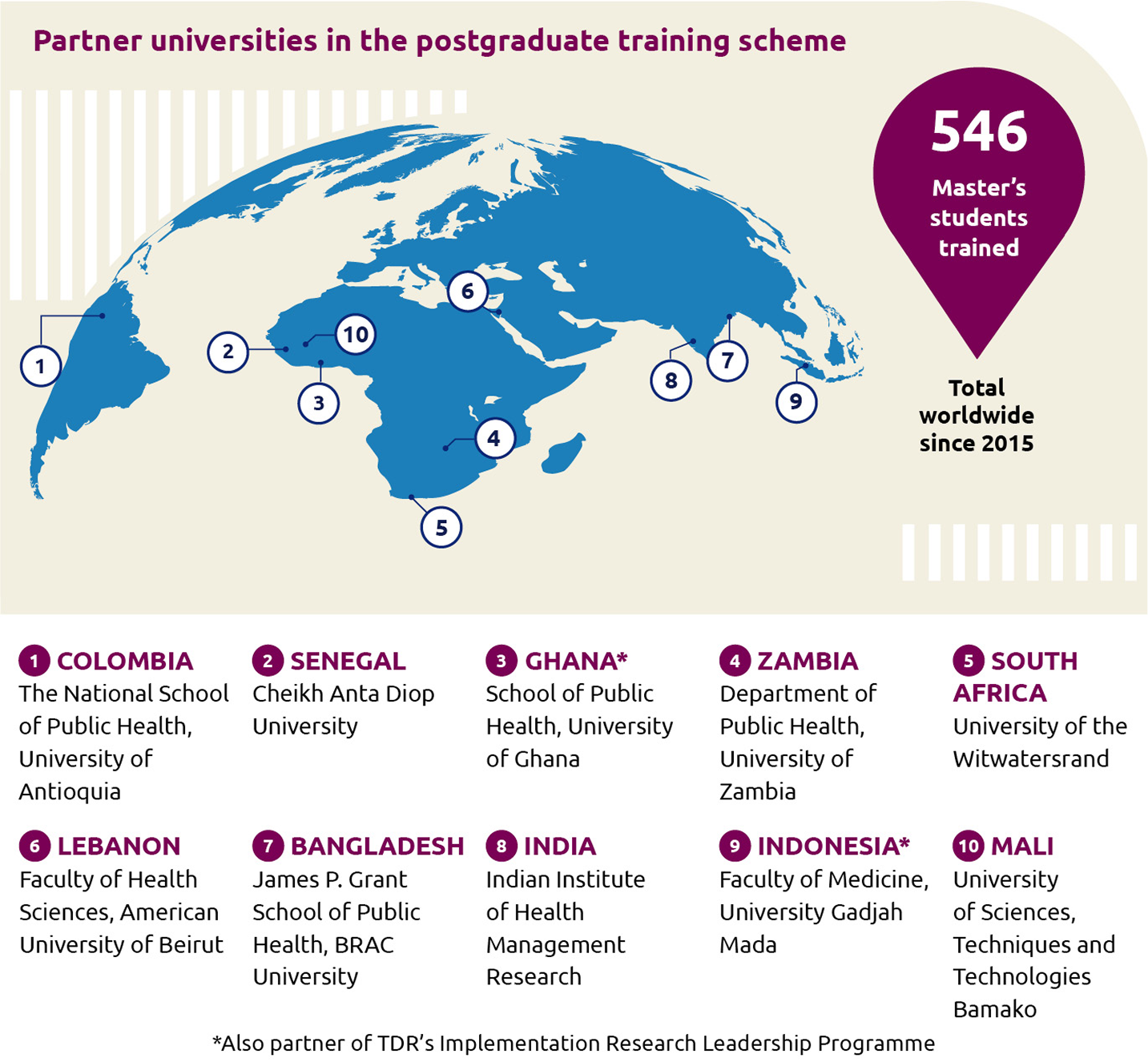
The eight fellows, comprising five public health practitioners and three researchers, are being hosted for a period of 6 to 12 months at two leading health research institutions: Gadjah Mada University in Indonesia and the University of Ghana. This initiative builds on TDR’s previous efforts, which have provided scholarships for Master of Public Health programmes with a focus 10 on implementation research (IR) since 2015. More than 500 grantees (of which 50% are women) across seven universities in low- and middle-income countries have benefited from these scholarships, creating a critical mass of researchers and implementers equipped with the necessary knowledge and skills in IR.
From left to right: Rhondemo A. Kikon, Monjurul Karim, Anita Mahotra, Dina Arisonaningtyas, Habtamu Molla Ayele, Omowumi Fatima Lawal-Lah, John Msugupakula Betwel and Beatrice Obour.
Rhondemo A. Kikon (India) is a medical doctor and founder of Community Health Initiative (CHI), an NGO in Nagaland, India, focusing on WASH, nutrition, and health system strengthening. Rhondemo has led multiple research projects and published several of his works in a reputable journal. Through this fellowship he aims to translate implementation research into actionable policies that promote health equity and pro-poor health initiatives in his region.
Monjurul Karim (Bangladesh) is a public health professional from Bangladesh, currently serving as a Project Coordinator at the Centre for Disability in Development (CDD), Bangladesh. He has over a decade of experience leading inclusive health, rehabilitation and livelihood programmes for marginalized communities, with a focus on diseases of poverty such as leprosy. Through this fellowship, he aims to drive culturally relevant, sustainable strategies and contribute to national policies promoting health equity.
Anita Mahotra (Nepal) is the President and founder of TAPAS Nepal, where she leads youth-driven public health programmes focusing on tobacco control, AMR, and infectious diseases. With experience in Nepal’s health system and partnerships across government and NGOs, she translates research into action through mentorship and innovation. Through this fellowship, she aims to strengthen her research capacity to drive equitable, evidence-based health interventions in Nepal.
Dina Arisonaningtyas (Indonesia) is a medical doctor from Indonesia working as the Director of Rumah Sehat BAZNAS Clinic in Yogyakarta, Indonesia, focusing on health services for the poor. With over six years of experience in philanthropic health, she actively leads TB screening initiatives and public health programmes in collaboration with local stakeholders. She is committed to strengthening her implementation research skills to expand impact through equitable health services.
Habtamu Molla Ayele (Ethiopia) is a regional immunization technical advisor at Ethiopia’s Ministry of Health. His research interests span across infectious disease epidemiology, tuberculosis, malaria, cervical cancer, and health policy and management.
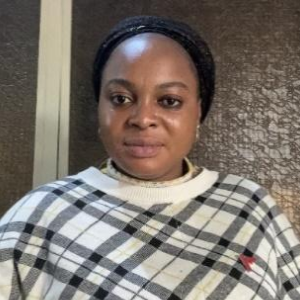
Omowumi Fatima Lawal-Lah (Nigeria) is a programme manager for the State Tuberculosis, Leprosy & Buruli Ulcer Control Programme at Kwara state Ministry of Health, Nigeria. She has research interests in infectious diseases, non-communicable diseases, biostatistics, health policy and systems thinking.
John Msugupakula Betwel (Tanzania) is a research scientist at the Ifakara Health Institute in Tanzania. He is keen on research in ecology and behavior of disease vectors, in particular, developing and evaluating complementary vector control interventions to accelerate progress towards malaria elimination.
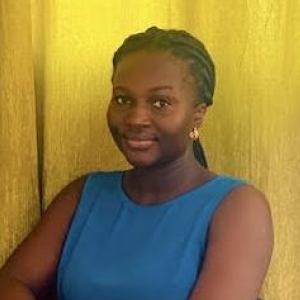
Beatrice Obour (Ghana) has an interest in engaging in public health high-impact research through data-driven insights and thorough analysis. She currently serves a dual role as both an assistant lecturer and a research assistant at the Health Access Institute in Ghana.